Fabric Buildings as Sustainable Solution for a Greener Future
In a world increasingly focused on sustainability, choosing the right construction materials is crucial. Fabric buildings, a modern alternative to traditional construction, offer significant environmental benefits, from a reduced carbon footprint to enhanced energy efficiency.
Here’s a closer look at why fabric buildings are a smart choice for a greener planet.
Lighter and More Efficient
One of the key environmental advantages of fabric structures is their weight.
- Reduced Carbon Footprint: The lightweight nature of fabric materials makes them easier and less expensive to transport, which significantly cuts down on fuel consumption and carbon emissions.
- Minimal Foundation Impact: Their lighter weight also reduces the load on the foundation, which can simplify construction and lower overall costs.
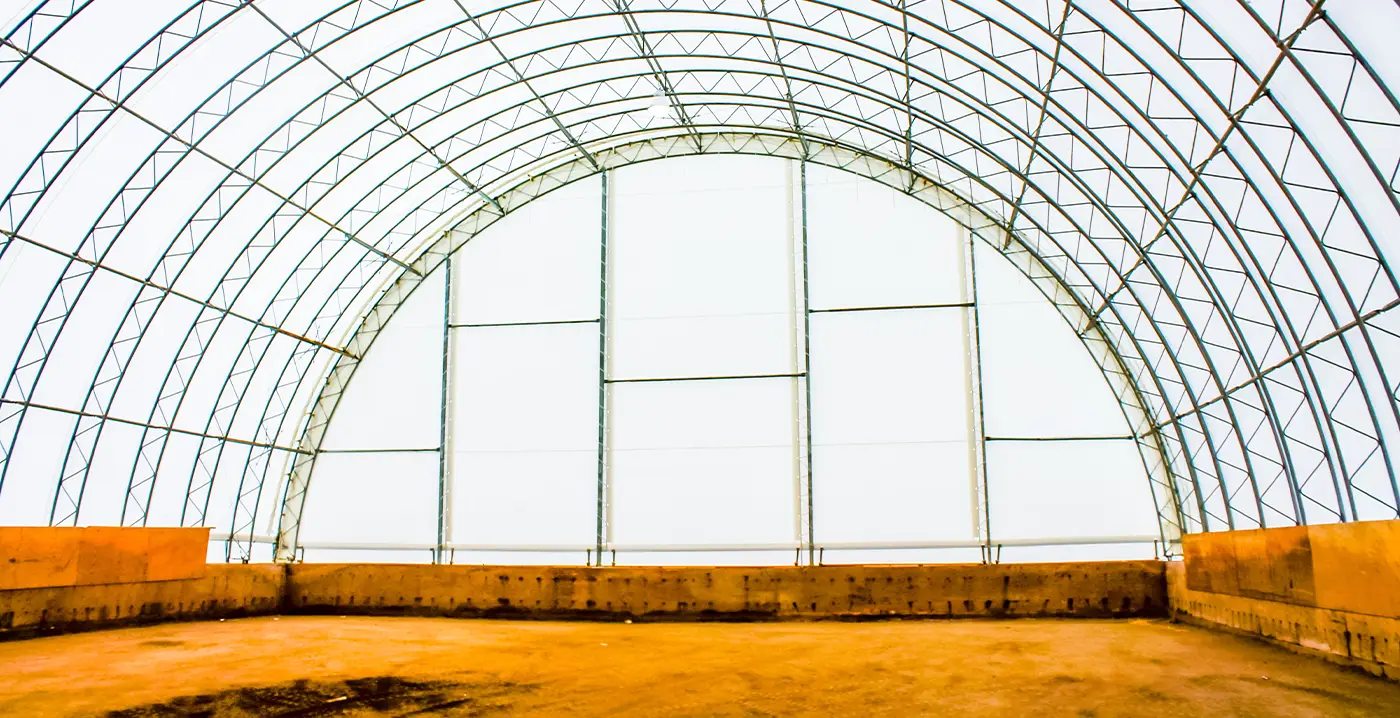
- Optimal Strength: Despite being lightweight, fabric structures have a high strength-to-weight ratio, allowing for large, open spans without the need for additional support columns.
Energy Efficient by Design
Fabric buildings are highly effective at conserving energy, which is a major benefit for both the environment and your bottom line.
- Superior Insulation: Fabric materials provide better insulation than traditional materials like steel or concrete. This helps maintain a consistent interior temperature, reducing the need for extensive heating and cooling systems.
- Natural Lighting and Ventilation: Many fabric buildings are designed to use natural light, reducing the need for artificial lighting during the day. They also incorporate natural ventilation systems, which further regulate temperature and lower energy consumption.
Lower Carbon Footprint and Less Waste
Traditional building materials require a significant amount of energy to produce, which leads to high levels of greenhouse gas emissions. Fabric buildings offer a more sustainable alternative.
- Eco-Friendly Production: The fabric materials used in construction require much less energy to produce, resulting in a lower carbon footprint from the very start.
- Reduced Construction Waste: Fabric buildings are often constructed using prefabricated components, which are manufactured off-site. This efficient process generates less waste on the construction site, minimizing environmental impact.
Durable, Recyclable, and Low-Impact
Fabric buildings are designed for durability and sustainability throughout their entire lifecycle.
- Long-Lasting and Low Maintenance: Fabric materials are highly durable and require less maintenance over time, which means fewer repairs and replacements.
- Sustainable Disposal: When a fabric building reaches the end of its life, the materials can often be recycled or repurposed. This reduces the amount of waste that ends up in landfills, unlike traditional building materials that are often difficult to recycle.
- Minimal Habitat Impact: The production of fabric materials requires fewer natural resources, resulting in less destruction of natural habitats during extraction.
In conclusion, fabric buildings provide numerous environmental benefits that make them an ideal choice for sustainable construction. If you’re looking for custom-built, eco-friendly structures that offer flexibility and sustainability, contact Edge Inc. today.