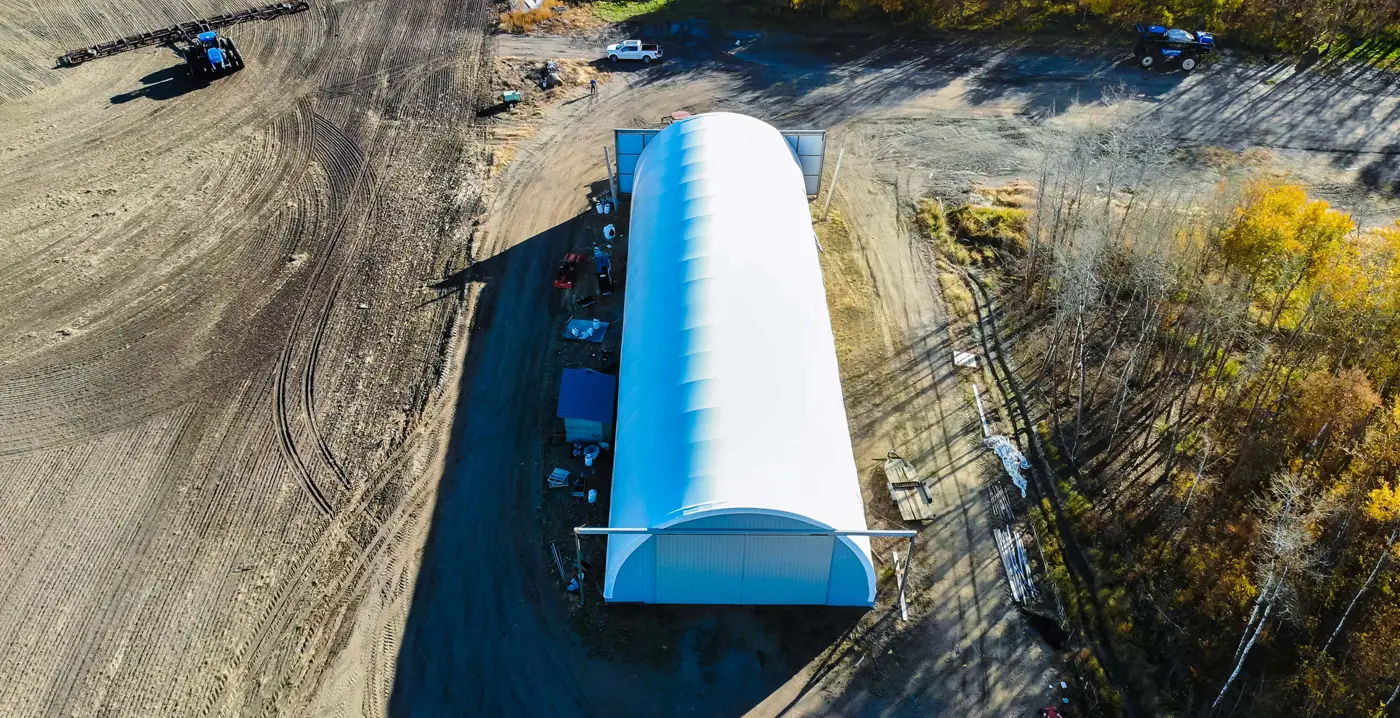
Fabric Buildings: A Cost-Effective and Modern Construction Solution
When planning a new construction project, you have several options, but traditional brick-and-mortar buildings can be slow and expensive. A more efficient and modern alternative is a fabric building, which offers significant advantages in both upfront and long-term costs.
A tension fabric building is a structure made of fabric stretched over a steel frame. It is a versatile solution used for a wide range of applications, including warehouses, manufacturing facilities, offices, and sports arenas. These buildings are durable, lightweight, and can serve as both temporary and permanent structures.
But what makes them so cost-effective?
 Where Fabric Buildings Save You Money
“Cost-effective” refers to both the initial price of a project and its long-term operating expenses. Here’s how fabric buildings deliver value at every stage.
1. Material Costs
Unlike traditional wood or metal structures that are prone to corrosion, pests, mold, and rot, fabric buildings are built to last. Our hot-dipped galvanized steel frames are rust- and corrosion-proof. The translucent fabric material is not only efficient—allowing natural light and airflow—but it’s also recyclable, reducing waste and boosting your project’s return on investment.
2. Labor Costs
Tension fabric structures are lightweight and simple to construct. They can be installed in a fraction of the time it takes to build a wood or steel structure. For a large facility, this can save thousands of dollars in labor costs and help you meet tight project deadlines.
3. Maintenance and Repair Costs
Fabric buildings are low-maintenance, but if an accident does occur, repairs are simple and affordable. On average, repair costs can be as low as $2 per square foot for fabric, while a steel replacement can be up to $7 per square foot. This not only saves money on materials and labor but also reduces downtime, so you can get back to business faster.
4. Heating and Ventilation Costs
As energy prices rise, fabric buildings offer a key advantage. The translucent fabric allows 16% to 19% natural light, significantly reducing the need for electric lighting. The non-conductive nature of the fabric keeps the interior cooler on hot days and warmer on cool days, lowering your heating and cooling costs.
With less reliance on central HVAC systems, fabric buildings use less energy and allow for smaller, more efficient heating and cooling units.
Innovating with Edge Inc.
If you’re looking for a sturdy, energy-efficient, and cost-effective building, look no further than Edge Inc. We offer a wide range of fabric building options, from small sheds to large warehouses.
We pride ourselves on being innovators in the industry. We work hard to stay on top of the latest technology and are always looking for new ways to make our services more efficient.
Contact Edge Inc. today to get your fabric structure and discover a modern, cost-effective solution for your building needs.