
Is a Fabric Structure Right for Your Business?
Whether you’re expanding an existing space or building a new one, you might be considering a fabric structure. These buildings are a modern and cost-effective alternative to traditional construction, and they can be used for a wide range of applications, including warehouses, offices, showrooms, and event spaces.
This article will help you understand how fabric structures differ from conventional buildings and why they might be the ideal solution for your needs.
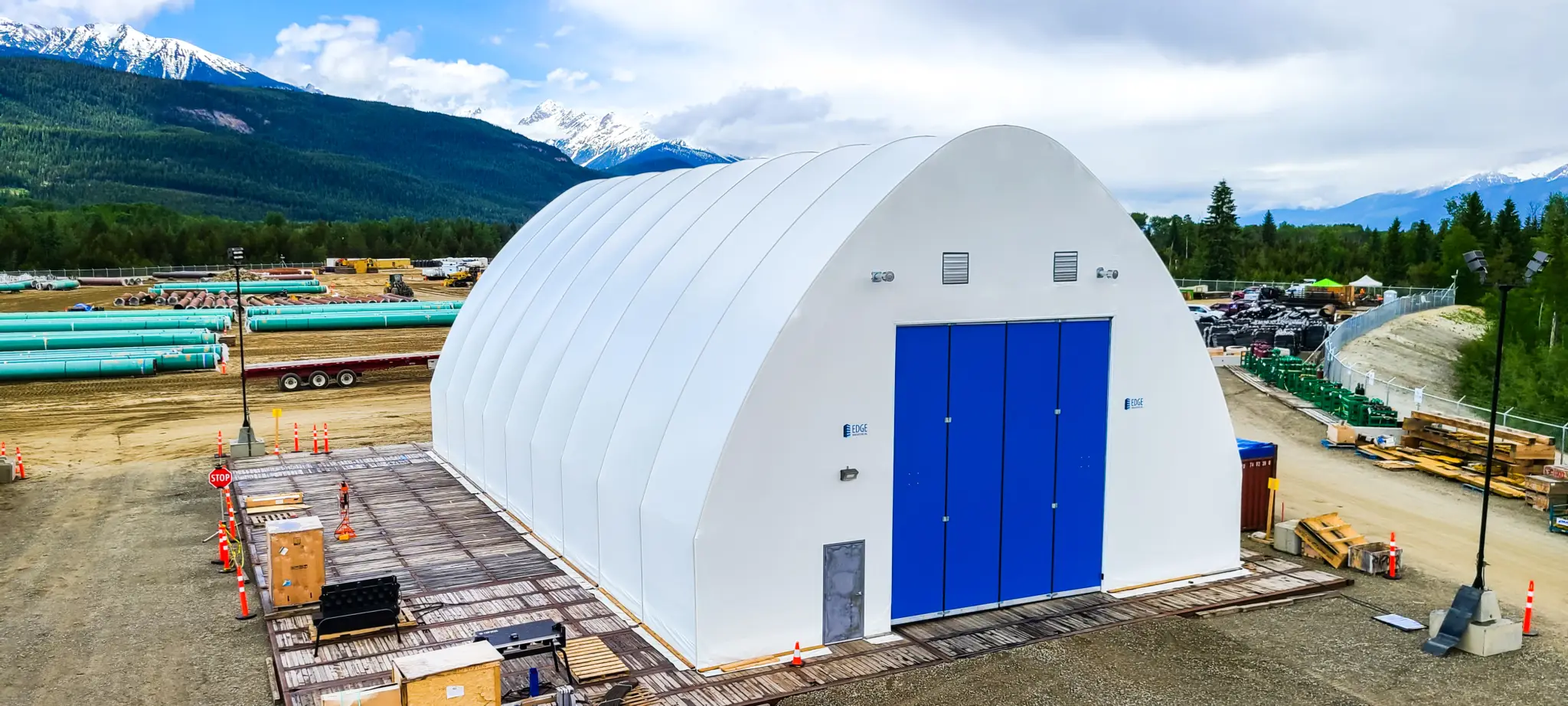 Key Benefits of Choosing a Fabric Building
Fabric structures are a popular choice for businesses of all sizes, offering numerous advantages over traditional brick-and-mortar or pre-fabricated buildings.
Fast and Efficient Installation
One of the biggest benefits of fabric buildings is their quick installation time. Thanks to advanced engineering, they can be assembled in a fraction of the time it takes to construct a similar-sized traditional building. This is a significant advantage if you have tight deadlines or need a mobile solution. For example, industries that require a flexible setup—such as trade shows or concert tours—can easily relocate fabric structures as needed.
Cost-Effective Solution
Fabric buildings are an affordable and practical choice for growing businesses. The lightweight, flexible materials are less expensive than those used in traditional steel or wood structures. This, combined with minimal architectural planning and faster build times, results in significant cost savings. You’ll also save money on long-term maintenance, as these structures require very little upkeep.
Energy Efficiency and Sustainability
Unlike traditional steel buildings, which block natural light and are prone to thermal bridging, fabric structures are designed for efficiency. The translucent fabric allows up to 12% of natural light to enter your space, drastically reducing or even eliminating the need for artificial lighting.
This also contributes to a healthier and more comfortable environment for occupants. The excellent ventilation systems in these structures allow air to circulate freely, reducing energy requirements for heating and cooling. This makes fabric buildings a sustainable choice that lowers your carbon footprint and monthly energy bills.
Low Maintenance and Durability
Fabric structures are built to last. They are incredibly strong and resistant to adverse weather and environmental factors, with a lifespan of 15 to 30 years. Maintenance is simple and easy—all you need is mild soap and water to keep the building clean. This minimal upkeep extends the life of the structure, reducing the environmental impact associated with frequent repairs or replacements.