The Evolution and Future of Fabric Buildings
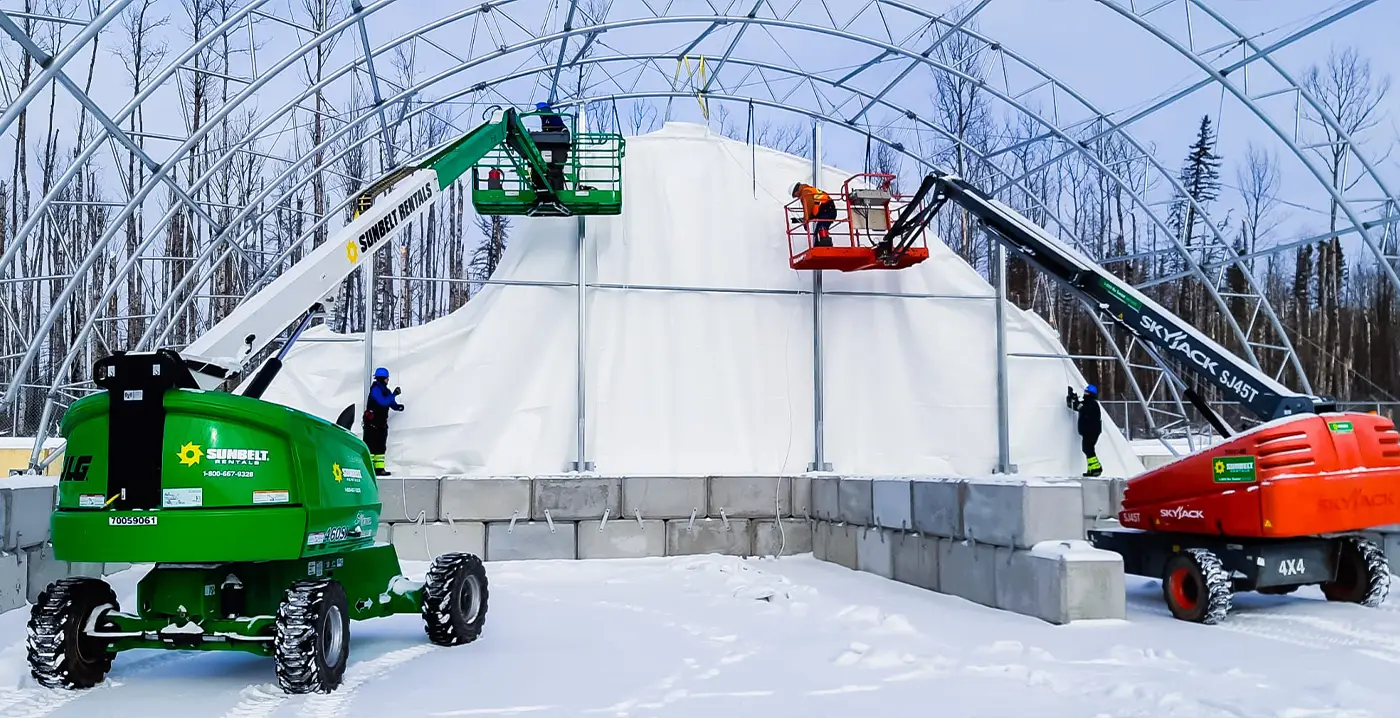
From simple shelters of ancient times to the modern, sustainable structures we see today, fabric buildings have a long and fascinating history. They began as basic coverings over natural frames and have evolved into sophisticated tension fabric structures built with advanced textiles and steel.
What does the future hold for this adaptable and eco-friendly building type? Let’s explore its journey and potential.
A Look Back: The History of Fabric Buildings
Fabric structures have been a part of human history for tens of thousands of years.
- Ancient Beginnings: Primitive shelters made of animal skins stretched over sticks have been found dating back 44,000 years, marking the first known use of fabric constructions.
- Royal Tents: In the 11th century, ornate tents became popular among European royalty, serving as symbols of wealth and luxury for special events.
- Military and Circus Tents: By the 1500s, tent-like structures became common for military barracks and, later, for the first circus tents in the 1770s. These early, mass-produced tents paved the way for more affordable fabric structures.
- Modern Innovation: In the 1950s, German architect Frei Otto pioneered the research that led to the development of today’s tension fabric buildings, drawing inspiration from the shapes created by soap bubbles.
The Advantages of Modern Fabric Structures
Today’s fabric buildings offer a range of benefits that make them a superior alternative to traditional construction.
- Cost-Effective: They are significantly more affordable than conventional buildings of a similar size.
- Fast and Versatile: Fabric buildings are easy to assemble, disassemble, and move, offering a quick and flexible solution for various needs.
- Low Maintenance: The highly engineered tensile coverings require little to no maintenance, even in harsh conditions with salt spray, chemicals, or debris.
- Energy Efficient: The translucent fabric allows natural light to enter, reducing the need for artificial lighting and saving on energy costs.
The Future is Sustainable: Why Fabric Matters
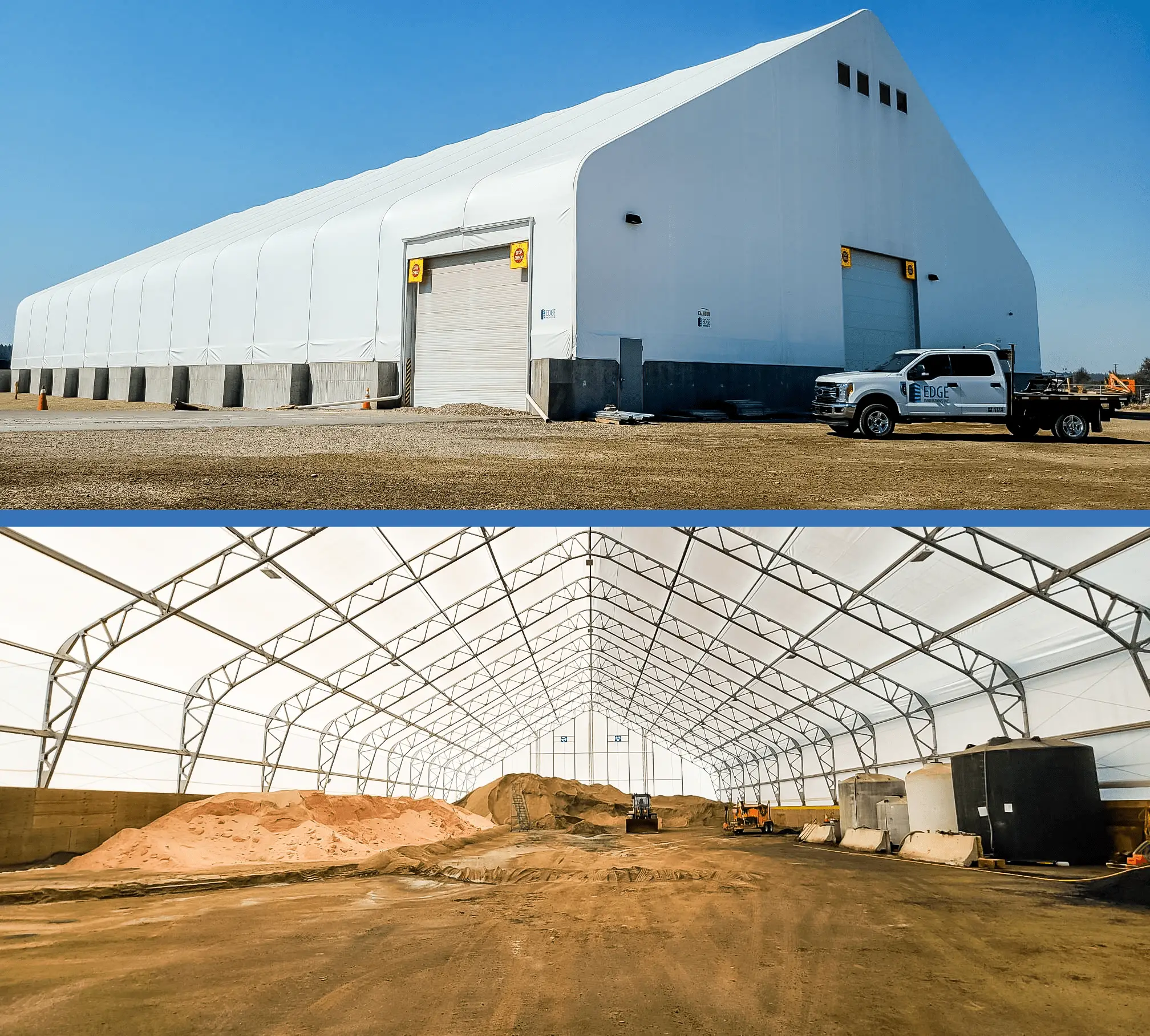
As the world faces pressing challenges like climate change and resource depletion, architects and designers are increasingly turning to fabric buildings as a sustainable solution.
Building construction has a significant environmental impact. However, fabric structures offer a greener alternative by:
- Reducing Carbon Footprint: They require less material and have a smaller overall impact on the environment, from construction to daily use.
- Promoting Sustainability: Many in the industry are focused on ensuring that the materials and processes used to create these buildings meet high sustainability standards.
At Edge Inc., we believe the future is fabric. We offer versatile, cost-effective, and energy-efficient solutions that are not only sustainable but also fully customizable to fit your unique style and functionality needs.
Our durable, functional, and affordable fabric buildings are designed to last. To learn more about our innovative fabric solutions and their many use cases, be sure to visit our website.